Plan your visit to Krakow museums
Krakow’s museums range from royal chambers on Wawel Hill to wartime exhibits in Zabłocie and medieval archaeology beneath the Main Market Square. The experience is rewarding, but it’s not something to improvise well: the best-known sites use timed entry, several run on different weekly schedules, and Wawel in particular can unravel your day if you don’t know which interiors matter most. This guide helps you time, route, and book your museum days without wasting slots.
Quick overview
If you want Krakow’s museum scene to feel manageable rather than scattered, plan by district and lock in your timed-entry museums first.
- When to visit: Most major museums run Tuesday–Sunday, with first entries from around 9:30am–10am and many closing by late afternoon or early evening. The first timed slots are noticeably calmer than 11am–3pm, when school groups and city tours overlap at Schindler’s Factory, Rynek Underground, and Wawel.
- Getting in: From 28 PLN ($7) for many major museums, with guided visits from about 90 PLN ($22). Advance booking matters most from June to September and on free-entry days, while winter usually gives you more flexibility.
- How long to allow: 1–2 hours per museum works for most visits. Wawel plus the Cathedral, or a museum-heavy day across districts, easily pushes that to 5–7 hours.
- What most people miss: The Eagle Pharmacy and Pomorska add crucial WWII context beyond Schindler’s, and the rest of the Czartoryski collection is worth more than a fast Da Vinci stop.
- Is a guide worth it? Yes at Wawel and Schindler’s, where context and route-planning change the visit, but at Czartoryski or MOCAK a good audio guide usually does enough for less.
🎟️ Timed slots for Schindler’s Factory and Rynek Underground sell out days in advance during summer and holiday weekends. Lock in your visit before the time you want is gone.
Jump to what you need
🕒 Where and when to go
🗓️ How much time do you need?
🎟️ Which ticket is right for you?
🖼️ What to see
♿ Facilities and accessibility
Where and when to go
How do you get to Krakow museums?
Krakow’s main museums are spread across Old Town, Wawel Hill, Kazimierz, and Zabłocie, with most headline sites sitting within about 3km of the Main Market Square.
- Walk: Old Town museums and Wawel work best on foot → 5–15 min between stops → the Royal Route keeps the day simple.
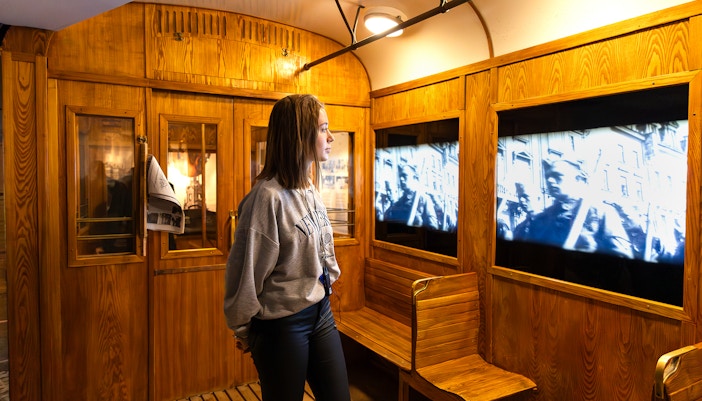
- Tram: Old Town to Schindler’s Factory → about 15 min → best option when you’re bridging central Krakow and Zabłocie.
- Train: Kraków Główny to Old Town → about 5–15 min on foot after arrival → fastest route from the airport train.
- Taxi / rideshare: Best for the Polish Aviation Museum or a tight timed slot → usually quicker than public transit across the city’s east side.
Which entrance should you use?
Krakow’s museum mistake is usually not the wrong building, but the wrong ticket logic: timed-entry sites and Wawel interiors all work differently, so don’t assume one queue covers everything.
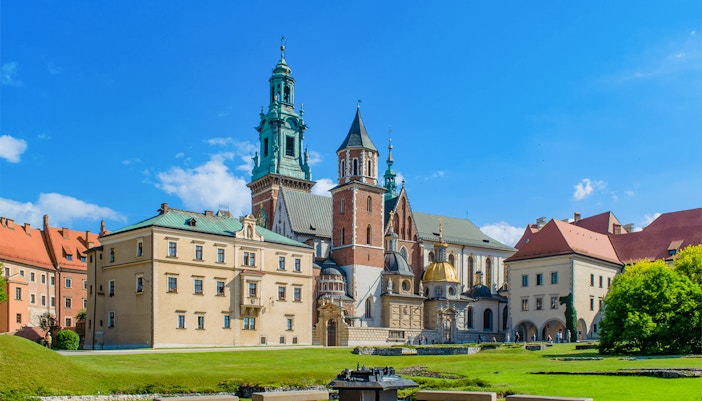
- Wawel Royal Castle ticket offices: Located on Wawel Hill. Best for visitors who already know which castle interiors they want. Expect 20–40 min waits on summer mornings.
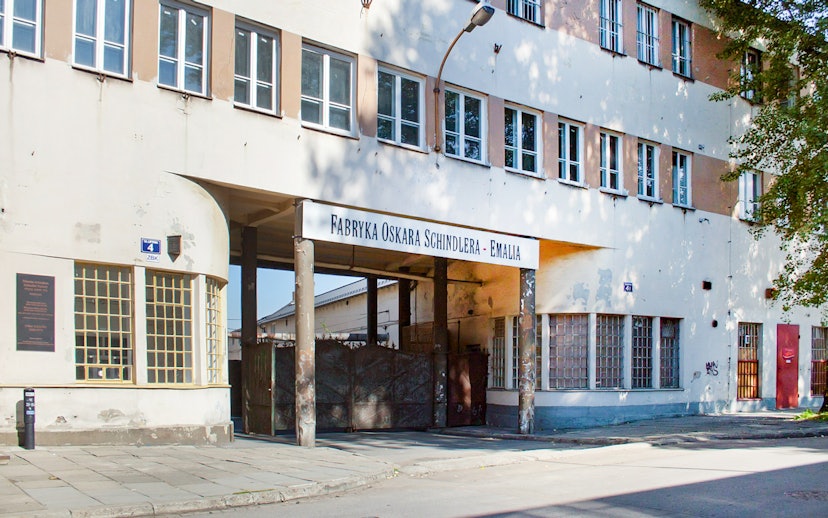
- Schindler’s Factory entrance: Located in Zabłocie. Best for pre-booked timed-entry visitors. Expect short waits if you arrive 10–15 min early, but walk-in availability often disappears.
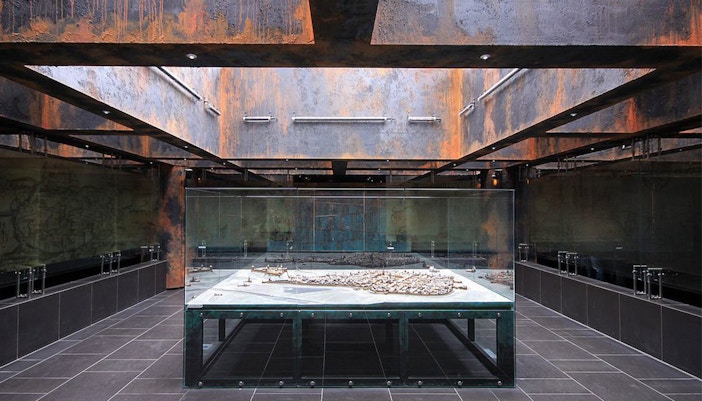
- Rynek Underground entrance: Located beneath the Main Market Square area. Best for timed-ticket holders. Expect the easiest entry if you arrive just before your slot.
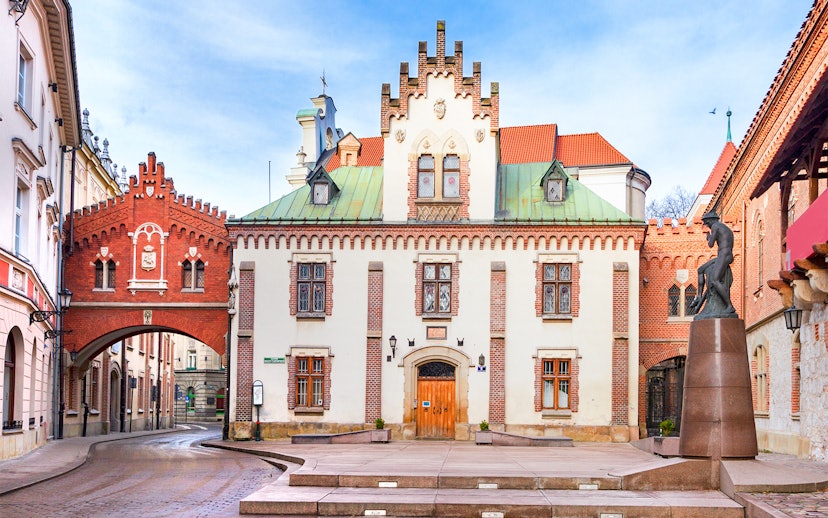
- Czartoryski Museum entrance: Located in Old Town. Best for timed-entry art visits. Expect brief waits outside the Da Vinci room during busy midday periods.
When are Krakow museums open?
Krakow’s museum day works best if you anchor it around the strictest timed-entry sites first, then fit flexible museums around them.
- Wawel Royal Castle exhibitions: First entries usually begin from 9:30am, with separate timings for different interiors.
- City museum branches: Hours vary by branch, but Schindler’s Factory and Rynek Underground both work on timed entry and can feel full by late morning.
- National Museum branches: Hours vary by branch, and free-entry days can change the crowd pattern more than the season does.
- Last entry: Usually 60–90 min before closing, depending on the museum and exhibition.
When is it busiest? July and August, plus weekends and free-entry days, are the hardest times to move easily because timed slots fill first and tour groups stack up from late morning.
When should you actually go? First-entry slots and late-afternoon art museums work best, because you’ll spend less time queueing and more time in the rooms that matter.
How much time do you need?
| Visit type | Route | Duration | Walking distance | What you get |
|---|---|---|---|---|
Highlights only | Wawel Hill → Main Market Square → Rynek Underground | 3–4 hrs | ~2km | You get royal Krakow and one standout medieval museum, but you skip the WWII side of the city and any slower art stop. |
Balanced visit | Wawel → Rynek Underground → lunch → Schindler’s Factory | 6–7 hrs | ~4km + 1 tram ride | This gives you medieval, royal, and WWII Krakow in one day, but MOCAK, Kazimierz, and smaller museum branches still get cut. |
Full exploration | Wawel Castle and Cathedral → Czartoryski Museum → Rynek Underground → Schindler’s Factory → MOCAK / Memory Route sites | 10+ hrs over 2 days | ~7km + transit | You get Krakow’s strongest historical arc without rushing, but it only works if you spread it across 2 days because museum fatigue hits hard by late afternoon. |
Which Krakow museums ticket is best for you
| Ticket type | What's included | Best for | Price range |
|---|---|---|---|
Schindler’s Factory Museum Admission | Timed entry to the permanent exhibition | A single high-demand museum where the main risk is missing your slot rather than choosing the wrong add-on | From 32 PLN ($8) |
Krakow Card (3-Day Museum & Transport Pass) | Entry to 35–40 museums + public transport | A museum-heavy 2–3 day stay where you want flexibility and the pass will replace at least 5 separate tickets | From 197 PLN ($49) |
Wawel for Enthusiasts | 1-day access to Wawel exhibitions and selected branches | A castle-focused day where buying separate Wawel interiors would slow you down and cost more | From 199 PLN ($50) |
Memory Route Combo Ticket | Schindler’s Factory + Eagle Pharmacy + Pomorska Street Museum | A WWII-focused visit where one museum alone would feel incomplete | From 45 PLN ($11) |
Da Vinci & Gallery Combined Ticket | Czartoryski Museum + paired National Museum gallery access | An art-led day where you want Lady with an Ermine plus a second strong collection without buying twice | From 40 PLN ($10) |
How do you get around Krakow museums?
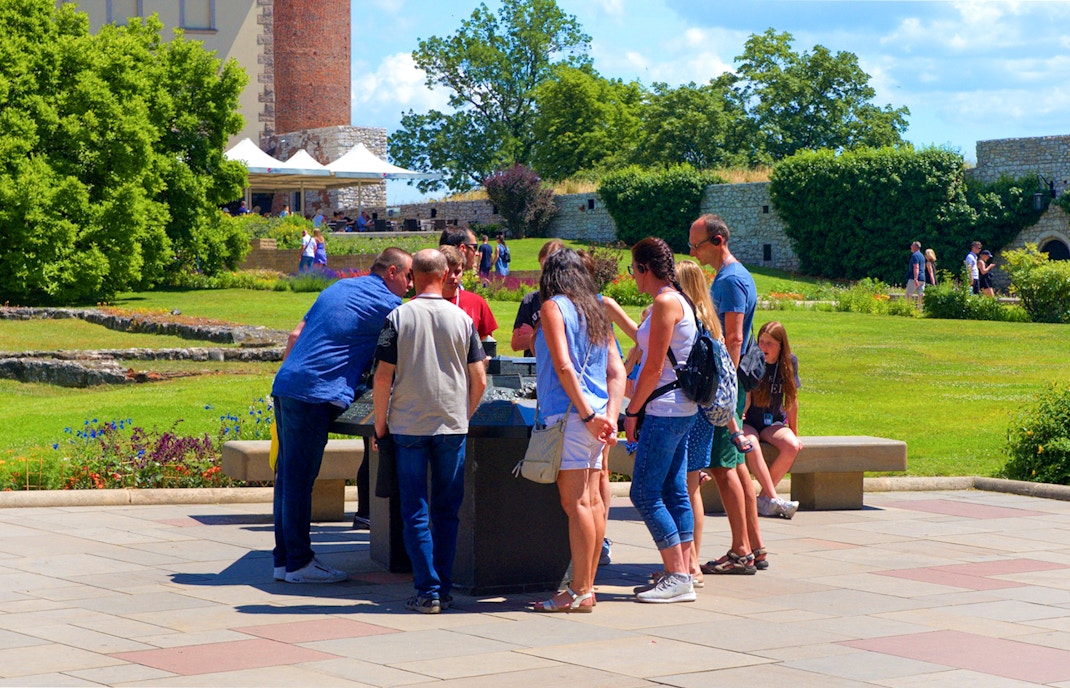
Krakow’s museums are not one compact campus, but they are easy to group by district if you plan sensibly. The city is simple to self-navigate, though zigzagging between Old Town and Zabłocie in the middle of the day wastes more time than most visitors expect.
- Wawel Hill: Royal Castle, Cathedral, and hilltop grounds → budget 2.5–3 hrs.
- Old Town core: Rynek Underground, Czartoryski Museum, and nearby galleries → budget 3–4 hrs.
- Kazimierz and Podgórze edge: Jewish heritage sites and WWII context stops → budget 2–3 hrs.
- Zabłocie: Schindler’s Factory and MOCAK side by side → budget 3–3.5 hrs.
- Aviation Museum zone: Large aircraft collection on a former airfield east of the center → budget about 2 hrs.
Suggested route: Do Wawel and Old Town on one day, then save Zabłocie and Schindler’s for another; most people lose time by forcing a cross-city tram ride between their most rigid timed entries.

Maps and navigation tools
- Map: A district-based city map or Krakow Card map works best → it helps you cluster museums by neighborhood → download it before you start booking slots.
- Signage: Outdoor wayfinding in Old Town is strong, but Wawel’s multi-ticket layout and the city’s spread-out museum pattern are easier with a saved route.
- Audio guide / app: Wawel’s paid audio guide adds real value, Schindler’s benefits more from a live guide if you want full context, and art museums are easy to self-guide.
- Transit tool: A live tram app is more useful than a museum floor plan once you’re linking Old Town, Zabłocie, and the Aviation Museum in one trip.
💡 Pro tip: Don’t build your day museum by museum — build it district by district, then drop timed entries into that order.
Get the Krakow museums map / audio guide
Where are the masterpieces inside Krakow museums?
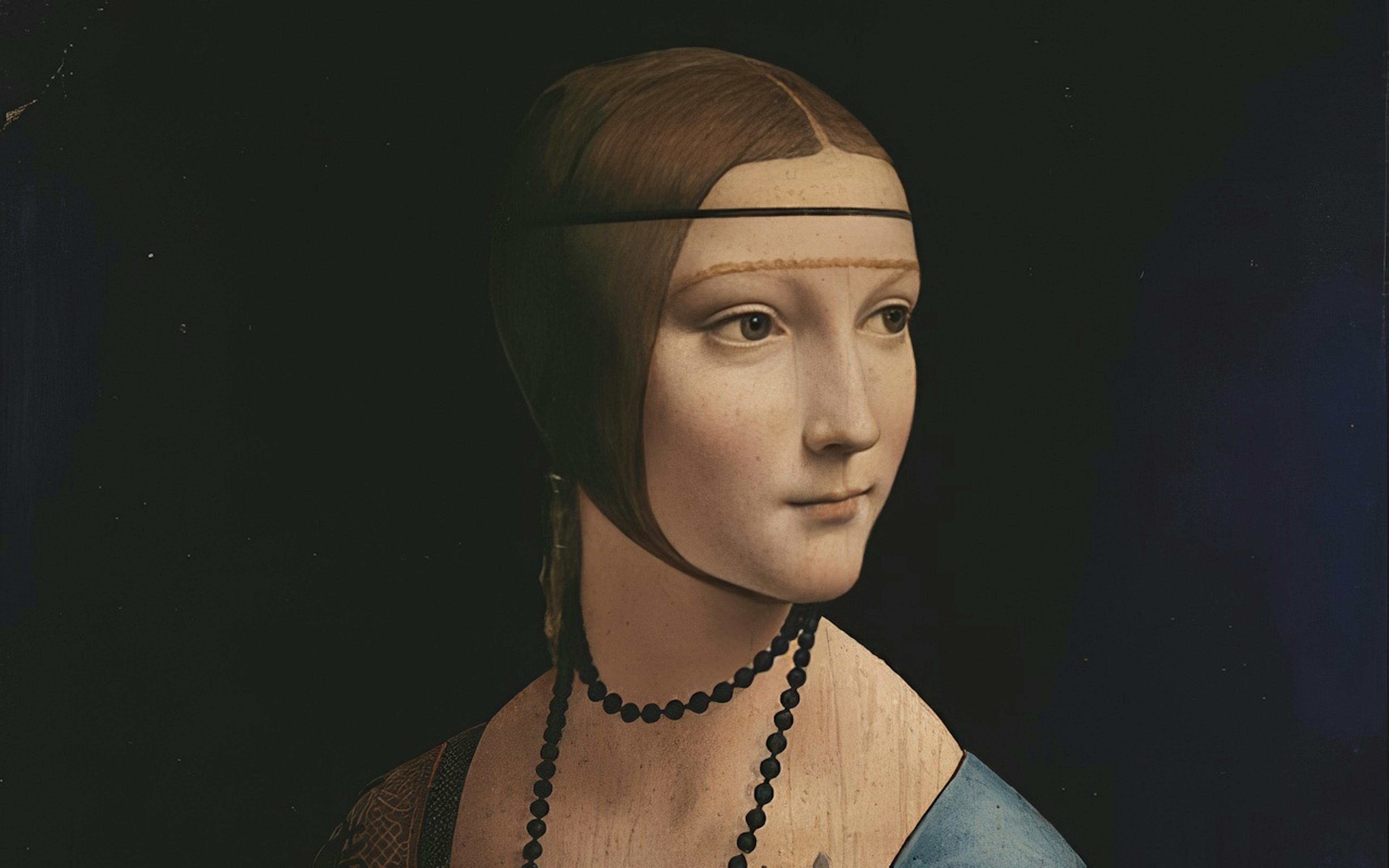
Lady with an Ermine
Artist: Leonardo da Vinci
This is Krakow’s single most famous artwork, and one of only a handful of Leonardo paintings in the world. Most visitors come in, see it, and leave too quickly, but the real payoff is slowing down long enough to notice how alive the skin tones, hands, and ermine feel at close range. The room often has a short queue, so go in ready rather than treating it as a fast photo stop.
Where to find it: Czartoryski Museum, in the climate-controlled Da Vinci room inside the main museum route.
Wawel State Rooms
Era: 16th-century royal interiors
These rooms are where Krakow’s royal past feels least abstract: carved ceilings, ceremonial spaces, and a major collection of Flemish tapestries turn the castle from a postcard into a political center you can actually picture in use. What many people rush past are the tapestries themselves, which are among the most important surviving pieces in the castle. If you skim, you miss what makes Wawel exceptional.
Where to find it: Wawel Royal Castle, inside the State Rooms exhibition on Wawel Hill.
Crown Treasury and Armory
Era: Royal and military collections
If you want the most concentrated sense of power, this is the part of Wawel to prioritize. The display of regalia, weapons, and ceremonial objects explains how Polish monarchy looked, defended itself, and projected authority. Many visitors spend all their time on the grand rooms and miss this entirely, even though it gives the castle’s decorative beauty a harder historical edge.
Where to find it: Wawel Royal Castle, in the Crown Treasury and Armory section with its own ticketed entry.
Rynek Underground archaeological reserve
Era: 13th–14th century medieval Krakow
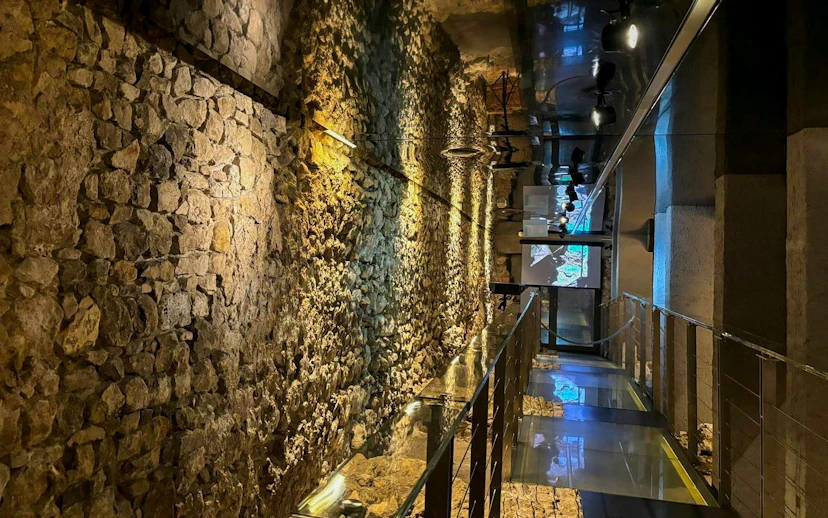
This is the museum that makes Krakow’s Old Town feel layered rather than merely preserved. You walk above excavated roads, market structures, and everyday objects, with interactive displays helping you imagine the square as a working commercial center rather than a beautiful backdrop. What people often rush past are the smaller trade objects and reconstructions, even though they make the medieval economy feel real.
Where to find it: Beneath the Main Market Square, entered through the Rynek Underground museum access point.
Schindler’s office and final memorial spaces
Era: 1940s, Nazi occupation of Krakow
The museum is broader than Oskar Schindler alone, which surprises some visitors, but his preserved office still lands hard near the end of the route. What matters most is not just the room itself, but how it arrives after the recreated streets, documents, and testimonies that build the citywide context first. Rushed visitors sometimes exit mentally before these final spaces, which is a mistake.
Where to find it: Schindler’s Factory Museum, toward the later part of the permanent exhibition route.
MOCAK’s temporary exhibitions
Creator / medium: Contemporary Polish and international artists
MOCAK is the place to reset after Krakow’s denser history museums. Its strongest temporary exhibitions usually reward visitors who read the curatorial framing, because the point is often the argument between works rather than one instantly famous object. Many people treat it as a quick add-on after Schindler’s, but it works better if you give yourself at least an hour and a fresh attention span.
Where to find it: MOCAK, next door to Schindler’s Factory in Zabłocie.
Facilities and accessibility
- 🎒 Cloakroom / lockers: Free cloakrooms are standard at many major museums, and large bags often have to be checked before you enter galleries.
- 🎧 Audio guides: Audio guides are widely available, and Wawel’s is especially useful because on-site explanation can feel thin without it.
- 🪑 Seating / rest areas: Seating is limited in several long exhibitions, which matters if you stack multiple museums into one day.
- 📱 Mobile tickets: Major museums accept mobile e-tickets, making same-day route changes much easier than printed-ticket systems.
- 🔒 Security checks: Expect bag checks at high-profile sites such as Wawel and Schindler’s Factory, so a small day bag saves time.
- 🌡️ Comfort: Air-conditioning and quiet rest space can be limited in older museums, which makes summer museum-hopping more tiring than it sounds.
- ♿ Mobility: Schindler’s Factory and Rynek Underground have elevator access, but historic sections of Wawel still include stairs and are not fully step-free.
- ♿ Reduced admission: Many museums offer reduced tickets for visitors with disabilities and caretakers, so carry proof if you plan to use them.
- 👁️ Visual impairments: Audio guides are the clearest accessibility support consistently available, while more specialized visual-access tools vary by museum.
- 🧠 Cognitive and sensory needs: First-entry slots are your best low-stimulation option, because Schindler’s and Rynek Underground feel much tighter once group tours overlap.
- 👨👩👧 Families and strollers: Newer museums handle strollers more easily than Wawel’s historic interiors, where steps and uneven circulation can slow a family route.
Krakow’s museums work best for children when you choose the interactive ones first and keep the heavier WWII sites age-appropriate.
- 🕐 Time: 60–90 min is realistic for Rynek Underground or MOCAK, while Schindler’s can feel long and emotionally heavy for younger children.
- 🏠 Facilities: Family comfort is usually better at newer sites than in older palace-style museums with fewer built-in rest stops.
- 💡 Engagement: Start with Rynek Underground or the Aviation Museum, where interactive displays and large objects hold attention better than text-heavy galleries.
- 🎒 Logistics: Bring a small bag, book the first slot you can manage, and avoid back-to-back timed entries if you’re traveling with younger kids.
- 📍 After your visit: The Main Market Square and Kazimierz both give children space to reset after indoor museum time.
Rules and restrictions
What you need to know before you go
- Entry requirement: Timed tickets are standard at Schindler’s Factory, Rynek Underground, and other popular museums, while Wawel often requires separate tickets for separate interiors.
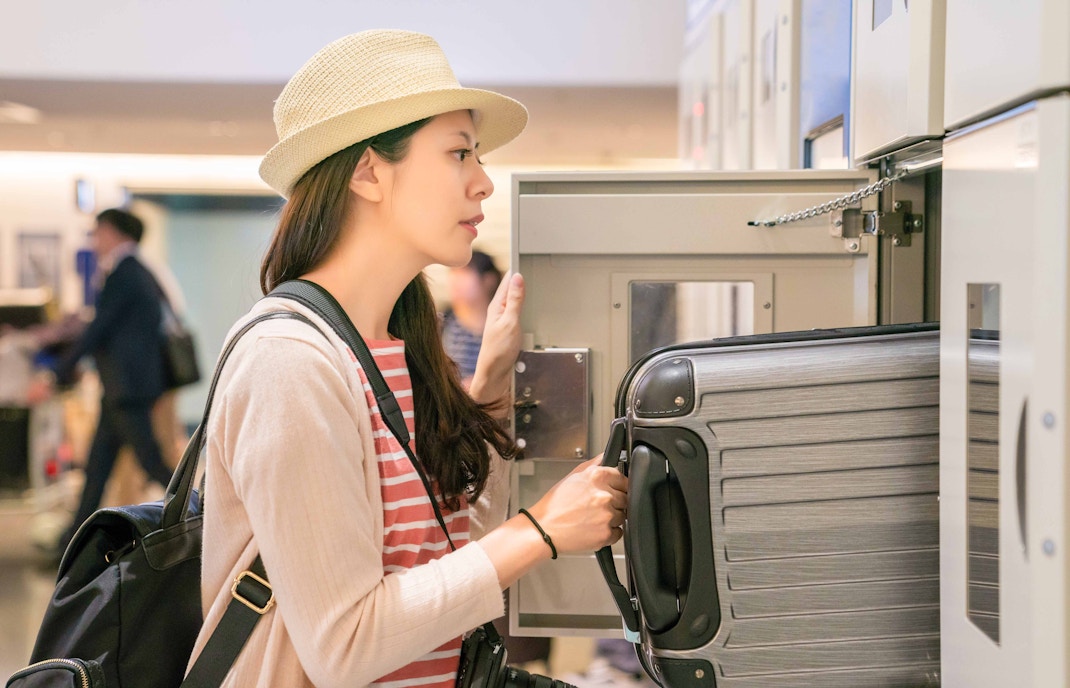
- Bag policy: Large bags usually need to be checked at cloakrooms before entry, especially in art museums and high-profile historic sites.
- Re-entry policy: Treat timed-entry museums as one-time-entry visits, because leaving mid-visit can throw off the rest of a tightly planned museum day.

Not allowed
- 🚫 Food and drink: Eating and drinking inside exhibition spaces is generally restricted, so finish coffee before you scan in.
- 🚬 Smoking and vaping: Smoking belongs outside museum grounds and not in entrance lines or courtyards.
- 🐾 Pets: Standard pets are not part of museum visits, while service animals are best confirmed directly with the individual museum.
- 🖐️ Touching exhibits: Hands-off rules are strict around original furnishings, paintings, textiles, and reconstructed interiors.
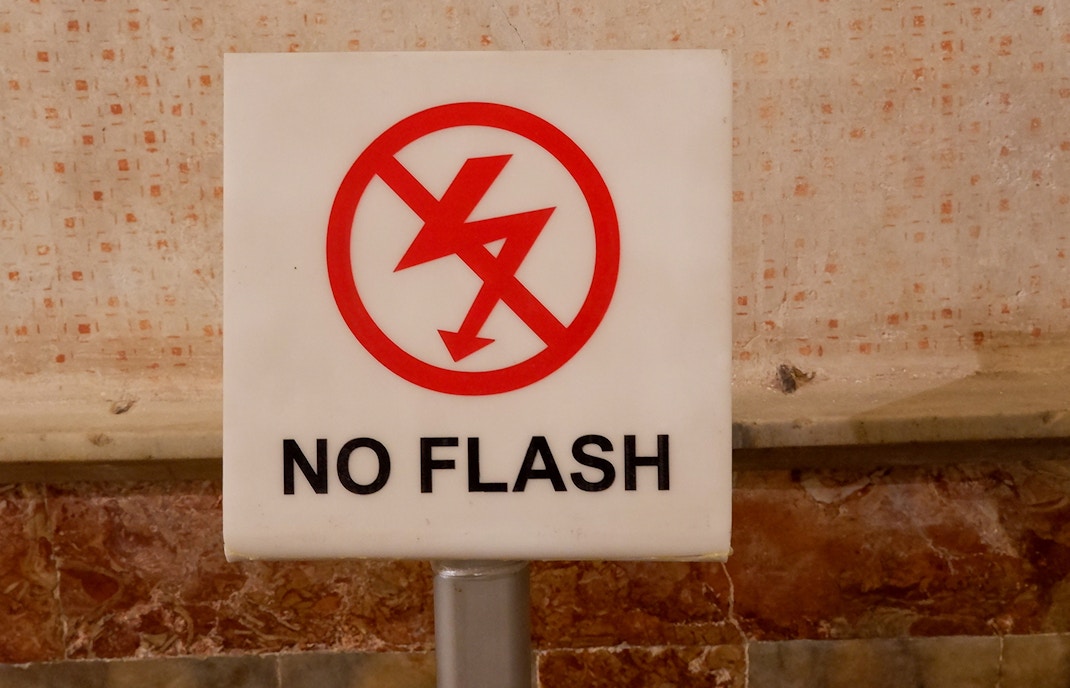
Photography
- Photography is usually allowed without flash in standard gallery areas, but exceptions matter more than people expect.
- Special exhibitions may restrict photos entirely, and Lady with an Ermine is a clear no-photography highlight even though much of the surrounding museum is easiergoing.
- Tripods and other bulky photo gear are a bad fit for these museums, both because of crowding and because timed-entry routes are not built for long setup stops.
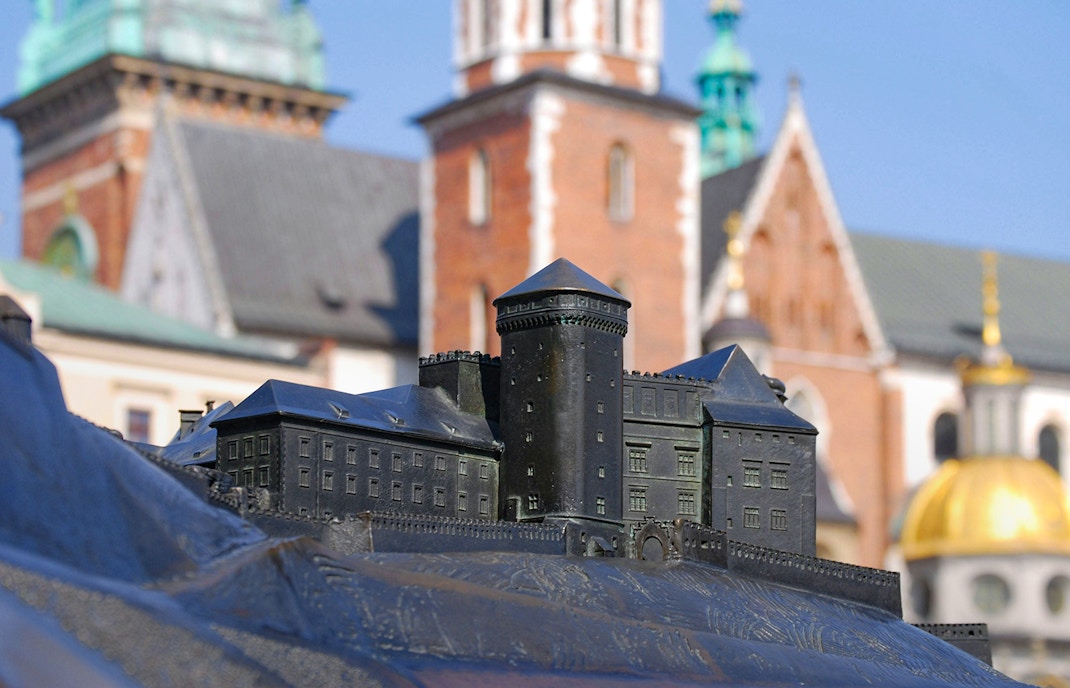
Good to know
- Free days: Free-admission days are not the easiest days to visit, because limited tickets go quickly and local crowds are heavier.
- Wawel ticketing: There is no single standard Wawel ticket for everything, so decide which castle interiors matter before you join the wrong queue.
Practical tips
- Booking and arrival: Book Schindler’s Factory, Rynek Underground, and the Czartoryski Museum at least 3–7 days ahead in June–September, and arrive 10–15 min early because late arrivals are more likely to lose the slot than recover it.
- Pacing: Save your best concentration for Schindler’s or Rynek Underground, not the last museum of the day; Wawel also looks shorter on paper than it feels once you add separate interiors and hill walking.
- Crowd management: First-entry slots work best for the biggest-name museums, while late afternoon is a smart time for art stops like Czartoryski or MOCAK because tour-group pressure drops.
- What to bring or leave behind: Carry only a small bag — cloakroom stops, security checks, and crowded interiors all become slower with a large backpack.
- Food and drink: Eat between districts, not between back-to-back timed entries; Old Town is easiest before Wawel or Rynek Underground, while Zabłocie works better after Schindler’s and MOCAK.
- Pass math: The Krakow Card usually starts making financial sense once you’re planning about 5 paid museums across 2–3 days; below that, single tickets are often the cheaper move.
What else is worth visiting nearby?
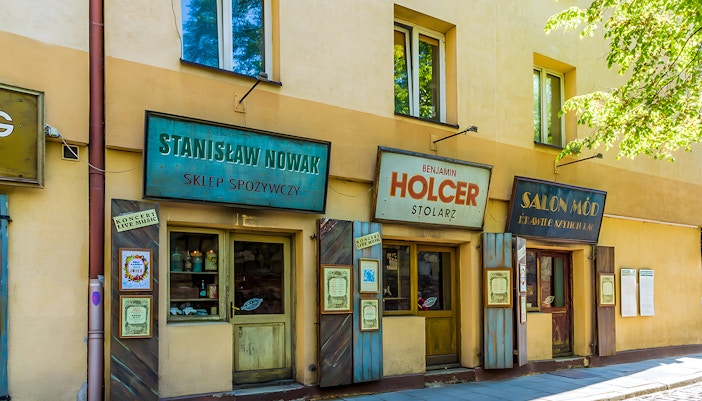
Commonly paired: Kazimierz Jewish Quarter
Distance: 1km — about 15 min walk from Old Town
Why people combine them: It adds the neighborhood context that makes Schindler’s Factory and Krakow’s WWII museums feel less isolated from the city around them.
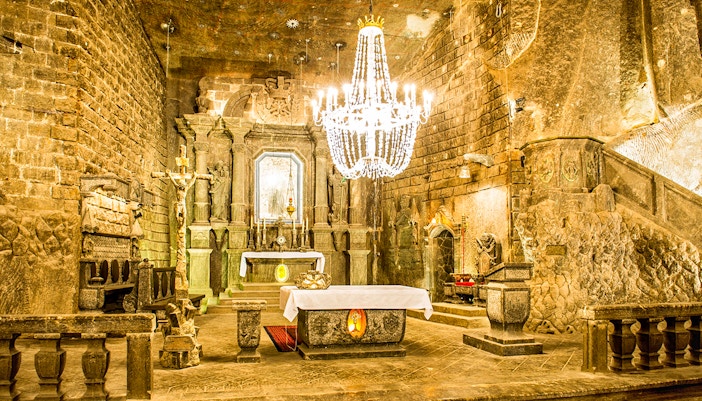
Commonly paired: Wieliczka Salt Mine
Distance: 10km — about 25–30 min by train or car
Why people combine them: It gives you a completely different half-day experience, so it pairs well with a lighter museum day rather than another dense history stop.
Also nearby
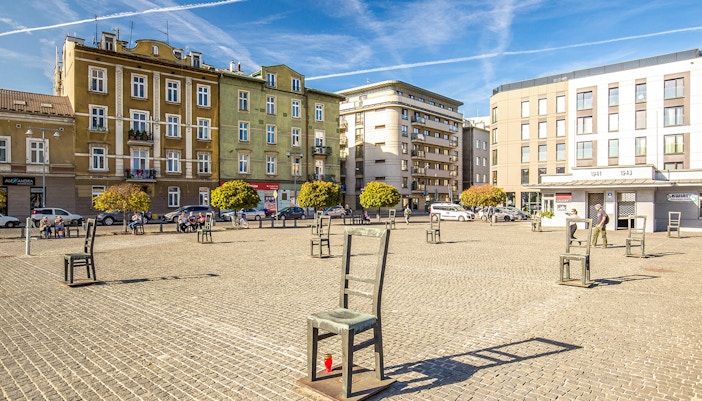
Ghetto Heroes Square
Distance: 3km — about 15 min by tram or 35 min walk from the Main Market Square
Worth knowing: It is one of the strongest open-air memorial stops in the city and makes a Schindler’s visit feel geographically grounded.
Polish Aviation Museum
Distance: 4km — about 20–25 min by tram
Worth knowing: It is one of the easiest rainy-day swaps if central timed-entry museums are sold out, and the aircraft collection is much stronger than most casual visitors expect.
Eat, shop and stay near Krakow museums
- On-site: MOCAK has a café that works well for a short post-museum break, but Old Town and Kazimierz are better if you want a full meal rather than a convenience stop.
- Better options nearby: Old Town is the easiest food base before Wawel or Rynek Underground, while Kazimierz works especially well after a Schindler’s or Podgórze-focused afternoon.
- Better options nearby: Zabłocie is the most practical district if you want coffee or something light around Schindler’s Factory and MOCAK without backtracking into the center.
- 💡 Pro tip: Don’t wedge lunch between 2 timed museums in different districts — eat before Wawel and Old Town days, or after Schindler’s and MOCAK once you are already in Zabłocie.
- Museum gift shops: Wawel, Czartoryski, and MOCAK all do the basics well, but books, exhibition catalogs, and quality prints are usually better buys than generic souvenirs.
- Art and design focus: MOCAK’s bookstore is the strongest stop if you want contemporary art books and something that feels tied to the exhibition rather than to Krakow tourism in general.
If your trip is museum-led, staying in or near Old Town is the easiest base. You can walk to Wawel, Rynek Underground, and the Czartoryski Museum, and the tram links to Schindler’s Factory are straightforward. Zabłocie is convenient for one afternoon, but not usually the best full-trip base unless you want a quieter neighborhood feel.
- Price point: Old Town trends higher than many other Krakow neighborhoods, but the savings in walking time can justify it on a short museum-first trip.
- Best for: Visitors on a 2–3 day stay who want to start early, walk between headline museums, and keep logistics simple.
- Consider instead: Kazimierz if you want better evening atmosphere and dining, or stay near Kraków Główny if you also plan day trips such as Wieliczka and want easier transport connections.
Frequently asked questions about visiting Krakow museums
Most Krakow museums take 1–2 hours each, but Wawel Castle and Cathedral can stretch closer to 3 hours if you do more than one interior. A full museum day across districts usually means 2 or 3 sites, not 4 or 5, if you want to keep any energy for the last stop.
Yes, for the most popular timed-entry museums you should. Schindler’s Factory, Rynek Underground, and the Czartoryski Museum are the ones most likely to punish a casual walk-up plan, especially from June to September and on holiday weekends.
Yes, when it comes bundled with a timed slot or guided tour at Wawel or Schindler’s Factory. The real value is not shaving a few minutes off the front door, but avoiding sold-out times, confusing ticket systems, and the wrong queue altogether.
Arrive 10–15 minutes early for most Krakow museums. That is usually enough time for bag checks, ticket scanning, and finding the right entrance without standing around so long that you waste the quietest part of your visit.
Yes, but keep it small if you can. Large bags often need to be checked at the cloakroom, and that extra stop matters more in Krakow than people expect because many museum days already depend on tight timed-entry sequencing.
Usually yes, but not everywhere. Standard no-flash photography is common, while special exhibitions can ban it completely, and Lady with an Ermine is a clear no-photo exception even though other parts of the museum are less strict.
Yes, and many museums offer English-language group tours or private guiding options. The key is booking early enough for timed-entry sites, because a group without a reserved slot is much harder to fit into Schindler’s Factory or Rynek Underground on the day.
Yes, if you pick the right museums and keep the day realistic. Rynek Underground and the Aviation Museum are easier for children than dense text-heavy museums, while Schindler’s Factory is better for older children who can handle a heavier historical visit.
Some are, but not all to the same standard. Schindler’s Factory and Rynek Underground have elevator access, while historic sections of Wawel still involve stairs and can be difficult if you need a fully step-free route.
Yes, and the easiest strategy is eating by district rather than hunting for food between timed entries. Old Town works well before Wawel or Rynek Underground, while Zabłocie and Kazimierz are better once you finish Schindler’s Factory or a cross-river museum afternoon.
Yes, if you plan to visit around 5 or more paid museums over 2–3 days. If your list is shorter than that, individual timed tickets are often cheaper and easier, especially if you know exactly which headline museums you care about.
Choose based on what you want to remember: Wawel for royal history, Schindler’s Factory for WWII Krakow, Rynek Underground for medieval life, or Czartoryski for Lady with an Ermine. If you only have one slot and want the broadest emotional impact, Schindler’s is usually the strongest single visit.
More reads
Krakow museums tickets
Krakow museums highlights
Getting to Krakow museums